Official sources checked on November 7, 2026. Program rules quoted from the Home Renovation Savings terms dated November 2025.
A home energy audit Ontario homeowners can get a rebate for is an EnerGuide home evaluation by a registered energy advisor, and it costs about $600 to $1,000 in total for the before-and-after visits, according to Natural Resources Canada. Through the Home Renovation Savings program you can get a $600 rebate on that cost, but only if you complete at least two eligible upgrades, and your follow-up audit must be booked by November 30, 2026 and done by December 31, 2026. You need an audit for insulation, window, air-sealing and heat pump water heater rebates and for most Toronto and Ottawa home energy loans; you do not need one for the Ontario heat pump rebate.
In this guide
Home energy audit Ontario costs and rules at a glance
| Question | Short answer (November 2026) |
|---|---|
| What is it? | An EnerGuide home evaluation done by an energy advisor registered with Natural Resources Canada (NRCan), from basement to attic |
| Typical cost | About $600 to $1,000 in total for the pre- and post-retrofit evaluations (NRCan average) |
| Who pays up front? | The homeowner pays the service organization directly |
| Rebate | Up to $600 from Home Renovation Savings, once per home, after at least 2 eligible upgrades |
| Key deadlines | Follow-up audit booked and entered by Nov. 30, 2026; completed within 180 days of the first audit or by Dec. 31, 2026, whichever comes first |
| Maximum total rebates (audit path) | $5,000 in Enbridge natural gas homes, $10,000 in homes heated with electricity, oil, propane or wood (the $600 is included) |
| Required for | HRS insulation, windows and doors, air sealing and heat pump water heater rebates; most Toronto HELP and Better Homes Ottawa loans |
| Not required for | HRS heat pump rebate, attic-only stream, smart thermostats, appliances, solar |
What a home energy audit actually includes
In Ontario, “home energy audit” almost always means an EnerGuide home evaluation. NRCan says a registered energy advisor “will assess your home from basement to attic”, and the visit gives you an EnerGuide rating and an energy efficiency report (see the NRCan EnerGuide home evaluation page, modified December 23, 2024).
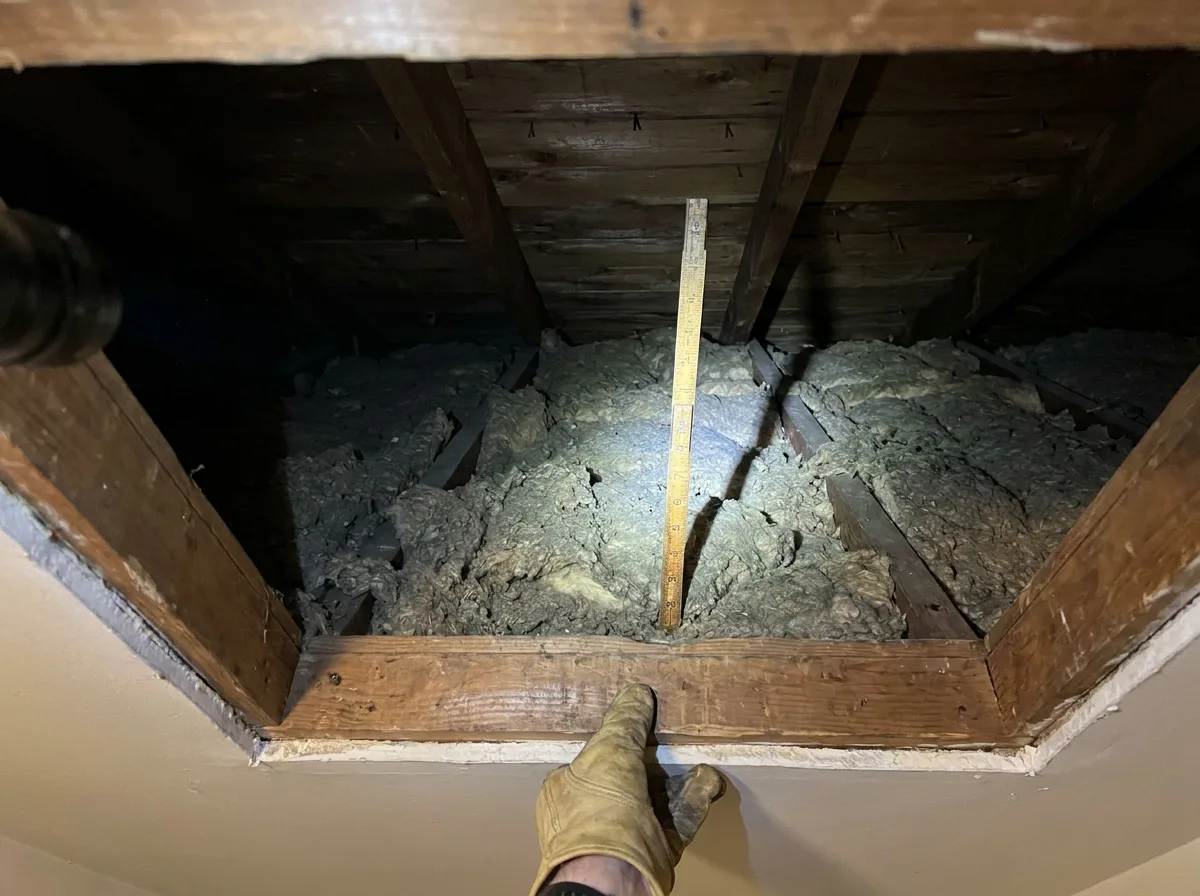
- A walk-through of the house: the advisor looks at the attic, walls, basement, windows and doors and the heating and water heating equipment.
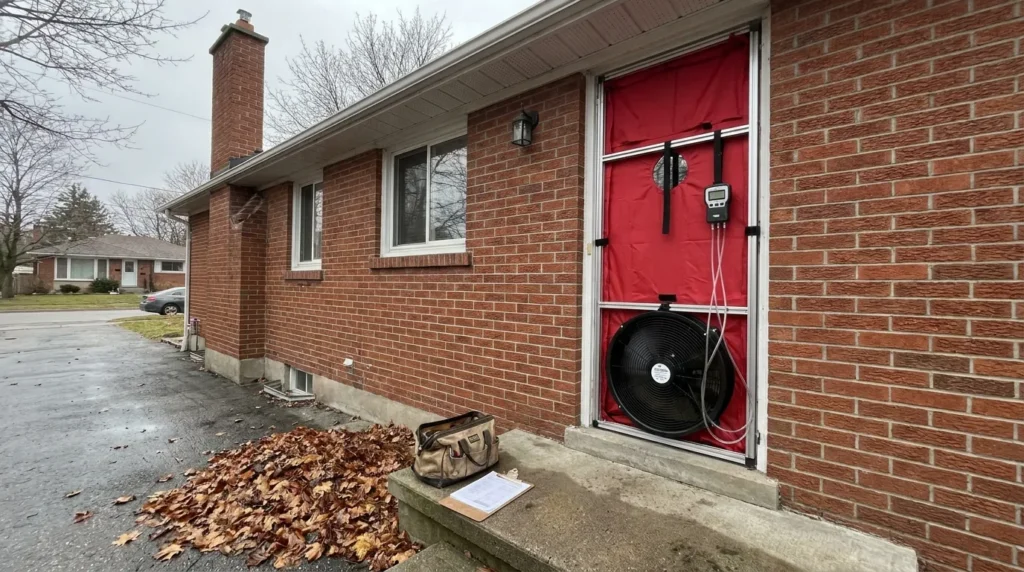
- A blower door test: a calibrated fan fitted in an exterior door lets the advisor measure how airtight the house is. NRCan lists airtightness “using a blower door test” among the data collected.
- An energy estimate: the advisor uses what was measured to estimate the house’s yearly energy use and to list the upgrades that would reduce it.
After the visit you receive three documents, according to NRCan’s “After your EnerGuide home evaluation” page (modified November 28, 2025): an EnerGuide rating and label, a Homeowner Information Sheet and a Renovation Upgrade Report. The rating is in gigajoules per year (GJ/year), an estimate of the net energy the house uses in a year. A rating of zero means the house produces as much energy as it consumes, so a lower number is better.
NRCan does not give a fixed length for the visit; it says the advisor will explain the scope and approximate duration when you book. Ask for it then, and plan for someone to be home the whole time with access to the attic hatch, the basement and the mechanical room.
How much a home energy audit costs in Ontario
The only official price benchmark is from NRCan. Its service organization page (modified September 2026) says: “On average the cost may range between $600 and $1000 in total for both evaluations.” It adds that the cost varies by service provider and province, and NRCan does not set or endorse prices. The same page says the cost is “typically paid after the service has been completed”, so ask when each invoice is due.
- You usually pay twice: once for the initial (pre-retrofit) evaluation and once for the follow-up (post-retrofit) evaluation.
- Prices are not regulated: ask each service organization for a written price for both visits, what is included (blower door test, report, label) and whether travel outside the city costs extra.
- The rebate does not reduce what you pay at the door: Home Renovation Savings says homeowners “are responsible for the upfront cost of the initial and follow-up home energy assessments”. The $600 comes later, after the program is completed.
RénoClair tip
Ask for the price of both visits in writing before you book, and confirm the service organization is on the Home Renovation Savings list for your fuel type. The same organization must do your initial and final assessment, so switching halfway can cost you the rebate.
The $600 Home Renovation Savings audit rebate and the 2026 deadlines
Home Renovation Savings (HRS) is run by Save on Energy and Enbridge Gas. Its “assessment required” stream is the one that pays for audits. According to the official HRS assessment page, you start with an initial home energy assessment, “then complete at least two energy-saving upgrades to qualify for rebates”, and you receive a $600 rebate “to offset the cost of the initial and follow-up home energy assessments … after successful completion of the program.” The FAQ adds that the audit rebate is available once per participant, per home, for the life of the program.
The dates that matter in November and December 2026
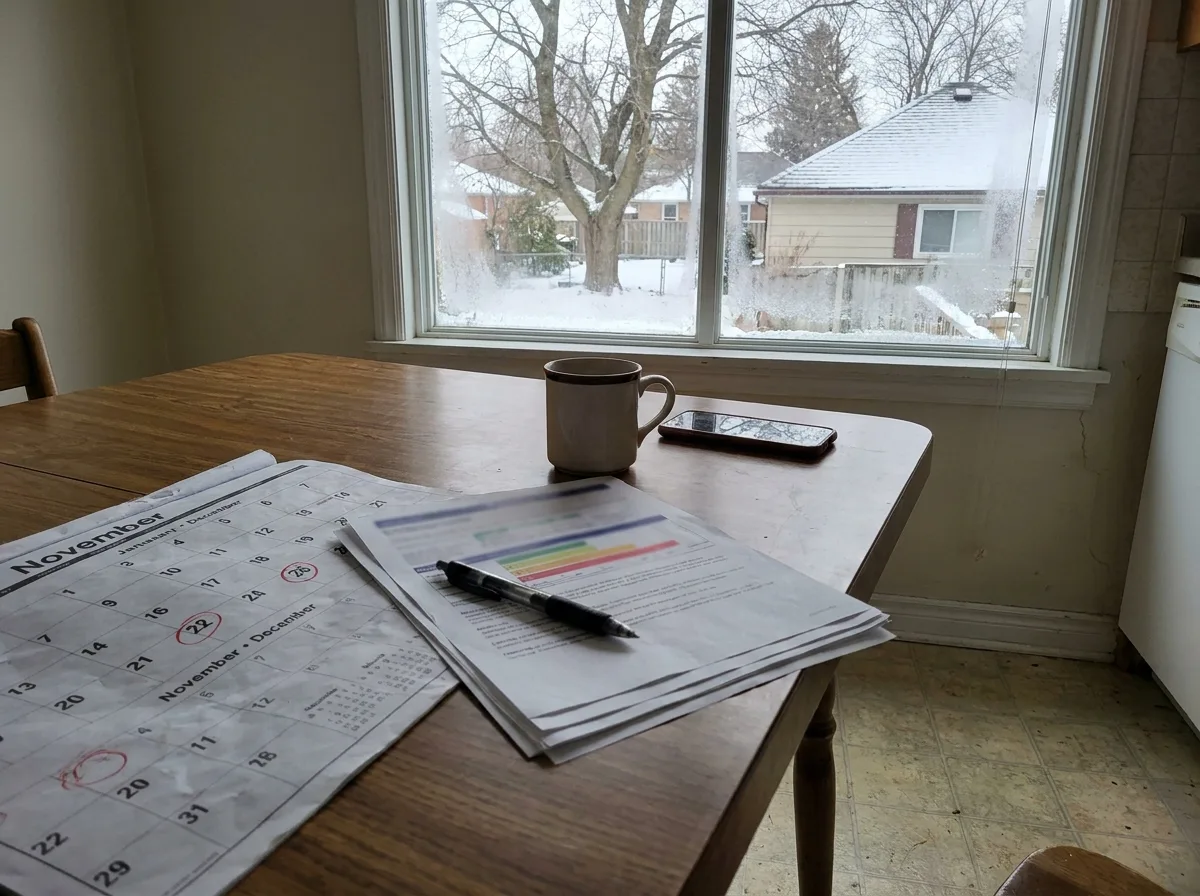
The HRS terms and conditions for the assessment stream (version dated November 2025) say you must complete your post-audit “within 180 days following the completion of my Pre-Audit or by December 31, 2026, whichever comes first”, and that the post-audit “must be scheduled and entered into the Program Administrators’ tracking system by no later than November 30, 2026.”
| Deadline | Rule | Days left from November 7, 2026 |
|---|---|---|
| November 30, 2026 | Follow-up (post) audit scheduled and entered in the program tracking system | 23 |
| December 31, 2026 | Follow-up audit completed (or 180 days after the first audit, if earlier) | 54 |
| Any time | Program can end when funding is “fully allocated, modified, terminated or exhausted” | – |
In practice, a homeowner who has not yet had a first audit has about 23 days to book it, choose at least two upgrades, line up contractors and get the follow-up audit booked. The upgrades must be installed before that final visit. If the final audit is not done in time, the terms allow the administrators to close your file, which means no audit rebate and no upgrade rebates. The HRS pages checked today do not say what replaces this stream after December 31, 2026.
Who is eligible
- You must own the home. Single detached and semi-detached houses, row houses, townhomes (not stacked townhomes) and mobile homes on a permanent foundation qualify; new builds and multi-unit buildings do not, and the home needs at least 6 months of occupancy.
- You heat mainly with Enbridge natural gas (furnace or boiler), or you are on the Ontario electricity grid and heat with electricity, propane, oil or wood.
- The audits must be done by an NRCan-registered energy advisor working for a service organization approved by the program, and the first audit must come before any work starts.
- Keep the invoices for both audits and for each upgrade, and a property tax bill: the program asks for them.
Upgrades the audit unlocks, with rebate amounts
These are the amounts listed on the HRS assessment page on November 7, 2026. Some insulation rebates are pro-rated when only part of the area is done, and every measure must be in the advisor’s report and confirmed at the final audit.
If windows are on your list, read how vinyl and fibreglass window frames compare on price and ENERGY STAR ratings before you book the pre-audit.
| Upgrade | Rebate | Condition (summary) |
|---|---|---|
| Attic insulation | $1,500 / $1,200 / $900 | To R-50, from R-12 or less / from R-12 to R-25 / from R-25 to R-35 |
| Exterior wall insulation | $3,600 / $2,100 / $1,200 | Added insulation above R-20 / R-12 to R-20 / R-7.5 to R-12 |
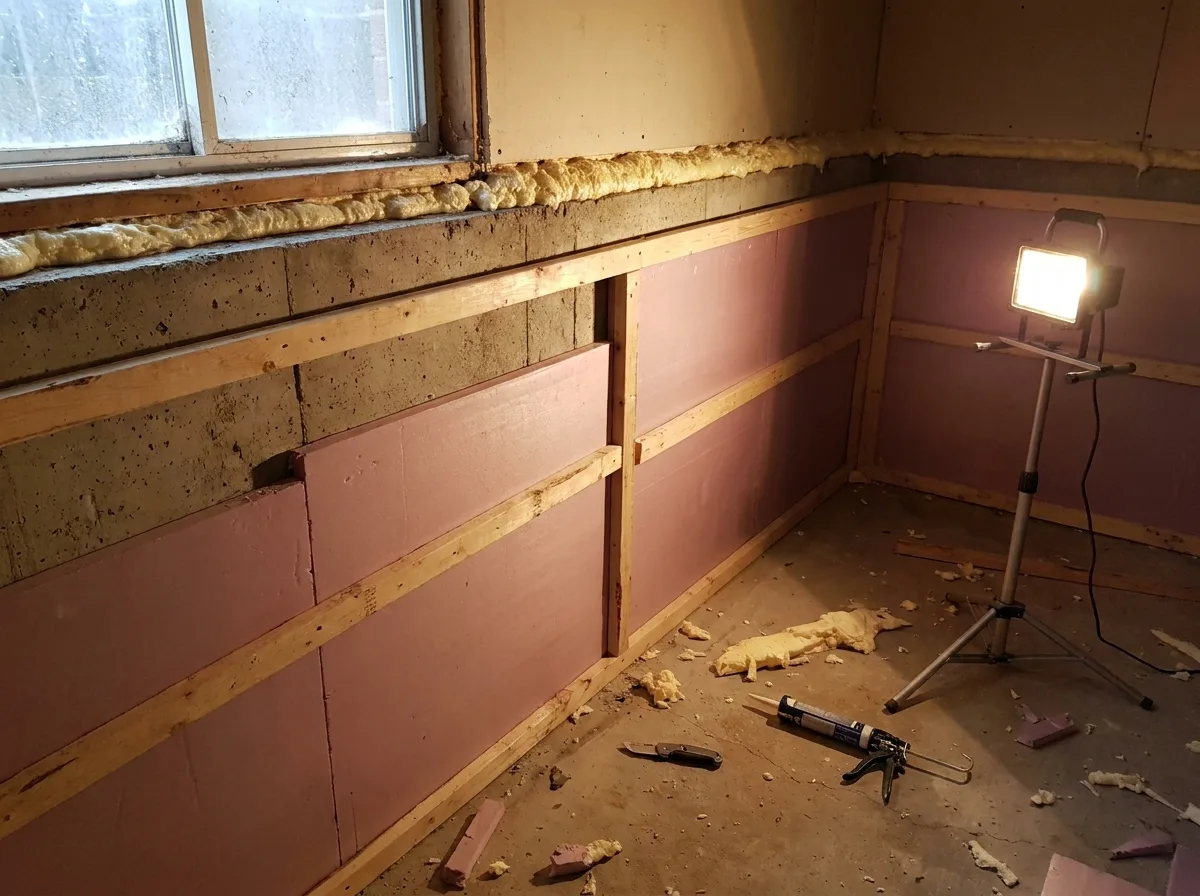
| Basement wall insulation | $1,500 / $900 | Above R-22 / R-10 to R-22 |
| Basement slab | $500 | Insulated slab |
| Cathedral ceiling or flat roof | $780 | Insulation added |
| Exposed floor | $300 | Insulation added |
| Foundation header | $300 | Insulation added |
| Crawlspace | $1,200 or $600 (walls); $1,200 (ceiling) | Walls (two levels) or ceiling |
| Windows and doors | $100 per rough opening | Minimum 3 window openings or 1 door, skylight or sliding door |
| Air sealing | $250 / $200 | 10% or more beyond the target / target reached |
| Heat pump water heater | $500 | ENERGY STAR model |
| Bonus | $500 | Three or more upgrades, final audit on or after January 5, 2026 (shown on the HRS web page and FAQ; the November 2025 terms PDF does not mention it, so confirm with the program) |
For more detail on each stream, see our Home Renovation Savings program guide, the basement insulation guide and the heat pump water heater rebate guide.
Two worked examples: what the audit really costs you
Both examples assume the audits cost $800 in total, the middle of NRCan’s $600–$1,000 range. Your quotes may differ.
Example 1: Enbridge gas home, three upgrades
| Item | Amount |
|---|---|
| Attic insulation from R-12 to R-50 | $1,500 |
| Basement wall insulation above R-22 | $1,500 |
| Air sealing, target reached | $200 |
| Upgrade rebates subtotal | $3,200 |
| Three-upgrade bonus | $500 |
| Audit rebate | $600 |
| Total HRS rebates | $4,300 |
| Cap for Enbridge gas homes | $5,000 (room left: $700) |
| Audit cost after the rebate | $800 − $600 = $200 |
The total of $4,300 stays under the $5,000 cap, so the full amount is payable, and the audit ends up costing about $200 out of pocket. If the audits cost $600, the rebate covers them completely; at $1,000, you pay $400. If the program does not honour the $500 bonus, the total would be $3,800 ($4,300 − $500).
Example 2: electrically heated home, two upgrades
| Item | Amount |
|---|---|
| 8 new windows (8 × $100 per opening) | $800 |
| Heat pump water heater | $500 |
| Upgrade rebates subtotal | $1,300 |
| Audit rebate (2 upgrades is enough) | $600 |
| Total HRS rebates | $1,900 |
| Cap for electric, oil, propane or wood homes | $10,000 |
With only two upgrades there is no $500 bonus, but the $600 audit rebate still applies. If this homeowner had done only the windows, the audit rebate would be $0 and the full $800 would stay out of pocket.
When you need a home energy audit, and when you don’t
The audit is a gate for some programs and useless paperwork for others. This table covers the programs open to Ontario homeowners on November 7, 2026.
| Program | Audit needed? | Source checked |
|---|---|---|
| HRS insulation, windows, air sealing, heat pump water heater | Yes, before and after | HRS assessment page and terms (Nov. 2025) |
| HRS heat pump rebate | No, but pre-approval and a participating contractor are required | HRS heat pump stream terms |
| HRS attic insulation without assessment | No (contractor registration closed; work due by Nov. 30, 2026) | HRS FAQ and attic terms |
| HRS smart thermostats, appliances, solar and batteries | No | HRS home page |
| Toronto Home Energy Loan Program (HELP) | Yes for most projects; not for heat-pump-only or solar-only projects | toronto.ca, modified Nov. 4, 2026 |
| Better Homes Ottawa Loan Program | Yes | betterhomesottawa.ca |
| Federal National Heat Pump Rebate (announced Oct. 8, 2026) | No, according to the announcement; launch expected in early 2027 | Federal announcement, Oct. 2026; City of Toronto, Nov. 4, 2026 |
| Canada Greener Homes Grant and Loan | Closed | NRCan, modified Aug. 4, 2026 |
Toronto’s HELP page says applications are open and that “homeowners seeking funding for heat pump-only projects or rooftop solar PV panels-only projects no longer need to obtain an EnerGuide pre- and post-renovation home energy assessment.” For other projects, step 2 is to book an assessment with an NRCan-registered energy advisor. Its fixed rates are listed as valid until December 31, 2026, with a 2% administrative charge.
Ottawa’s Better Homes Ottawa Loan Program says “an EnerGuide home assessment is a required step”. It lists audit costs among the “other items” a loan can cover (all other items together up to 30% of the loan) and offers a $600 loan reduction for a limited time, but only to applicants who are not receiving the $600 HRS assessment rebate. You cannot collect both.
If your main project is a heat pump, the audit is optional: see our Ontario heat pump rebate guide for the pre-approval steps instead.
Is a home energy audit worth it without the rebate?
Often yes, if you are planning more than one upgrade. Save on Energy (the IESO) says on its home energy audit page that fixing the problems an audit finds “can reduce up to 30 per cent of your home’s energy use”. That is an upper bound, not a promise: the saving depends on how leaky and under-insulated the house is to start with.
- Worth it: older homes with drafts, cold rooms or ice dams; before spending thousands on insulation or windows; when a loan program requires it; when you want a measured airtightness number instead of a contractor’s guess.
- Less useful: a newer home with no planned work; a single heat pump project, where the audit is no longer required by HRS or Toronto HELP; a sale in the next few months, unless a buyer asks for the EnerGuide label.
For attic work in particular, compare the audit route with the no-assessment option in our Ontario attic insulation rebate guide.
How to book a home energy audit in Ontario, step by step
- Go to the HRS assessment page and fill in the form to get the list of approved service organizations for your area and fuel type. NRCan’s service organization search lets you check that a company is registered.
- Ask two or three of them for the written price of both visits and their first available dates. With the November 30 booking deadline, availability matters as much as price this year.
- Have the initial audit done before any work starts. Keep the invoice.
- Read the Renovation Upgrade Report and pick at least two eligible upgrades. Get contractor quotes that state the R-values or the number of window openings, so they match the rebate table.
- Book the follow-up audit with the same service organization and make sure it is entered in the program system by November 30, 2026.
- Have the upgrades installed, then complete the final audit by December 31, 2026 (or within 180 days of the first one, if earlier).
- Submit the documents requested (audit and upgrade invoices, property tax bill). HRS says rebates arrive within 60 days by cheque or 30 days by Interac e-Transfer.
Common mistakes that cost homeowners the $600
- Starting the work before the first audit: the program requires the pre-audit before any renovation.
- Doing only one upgrade: the $600 audit rebate requires at least two eligible upgrades.
- Changing service organizations: the final assessment must be done by the same organization as the first.
- Missing the November 30 booking: completing the final visit in December is not enough if it was not booked and entered by November 30, 2026.
- Counting on old federal money: the Canada Greener Homes Grant and Loan are closed, according to the NRCan Greener Homes page, and the Canada Greener Homes Affordability Program does not list Ontario among the provinces where residents can apply (page modified October 28, 2026).
- Trusting an old Ontario form: a provincial form titled “Application for Ontario’s Home Energy Audit Grant” still appears in search results. Its page shows no date or status; the program paying for audits in 2026 is Home Renovation Savings.
- Answering door-to-door sellers: HRS warns that program contractors do not show up unannounced.
If your water heater is rented, read our hot water tank rental guide (buyout prices, fees and your rights) before replacing it with a heat pump model.
To estimate the cost of the work itself, use our attic insulation cost calculator (area and target R-value).
Frequently asked questions
How much does a home energy audit cost in Ontario?
NRCan says the pre- and post-retrofit EnerGuide evaluations cost on average $600 to $1,000 in total. Prices are set by each service organization, so ask for a written price for both visits.
Is a home energy audit free in Ontario?
No. You pay the service organization up front. Home Renovation Savings then refunds up to $600 once per home, but only after you complete at least two eligible upgrades and the final audit.
Can I still get the $600 home energy audit Ontario rebate in 2026?
Yes, if you can meet the dates: your follow-up audit must be booked and entered in the program system by November 30, 2026 and completed by December 31, 2026 (or 180 days after the first audit, if earlier).
Do I need an energy audit for the Ontario heat pump rebate?
No. The HRS heat pump rebate requires written pre-approval and a participating contractor, not an energy assessment. Toronto HELP also dropped the audit for heat-pump-only projects.
Who can do an EnerGuide home evaluation?
Only an energy advisor registered with Natural Resources Canada, working for a registered service organization. For HRS rebates, the organization must also be approved by the program.
What do I get after the audit?
An EnerGuide rating and label in GJ/year, a Homeowner Information Sheet and a Renovation Upgrade Report listing recommended upgrades.
Can I combine the HRS audit rebate with the Ottawa loan reduction?
No. Better Homes Ottawa says its $600 loan reduction is only for applicants who are not receiving the $600 HRS assessment rebate.
How much energy can an audit save?
The audit itself saves nothing; the upgrades do. Save on Energy says addressing the problems found can reduce up to 30% of a home’s energy use.
If you book an audit, ask whether a long-term radon test fits into the same upgrade plan, since air sealing can change radon levels. Our radon test guide covers testing, retesting and the Lungs Matter grant.
The bottom line
A home energy audit in Ontario costs about $600 to $1,000 for the two visits and is worth booking if you plan at least two upgrades such as insulation, windows or air sealing. The $600 HRS rebate can cover most or all of it, but in 2026 the clock is short: the final audit must be booked by November 30 and done by December 31. If your project is a heat pump alone, skip the audit and go straight to pre-approval.
Sources
- Home Renovation Savings: energy assessment required upgrades (no date on page; read November 7, 2026)
- Home Renovation Savings: terms and conditions (assessment stream terms and additional eligibility requirements, version November 2025)
- Home Renovation Savings: help and support (FAQ) (read November 7, 2026)
- NRCan: find service organizations for existing homes (modified September 17, 2026)
- NRCan: EnerGuide home evaluations (modified December 23, 2024) and After your EnerGuide home evaluation (modified November 28, 2025)
- NRCan: Canada Greener Homes Initiative (modified August 4, 2026) and Canada Greener Homes Affordability Program (modified October 28, 2026)
- City of Toronto: Home Energy Loan Program (modified November 4, 2026)
- Better Homes Ottawa Loan Program (no date on page; read November 6, 2026)
- Save on Energy: home energy audit reduces household energy costs (no date on page)


