Official sources checked on November 7, 2026. Rules quoted from the Government of Ontario CO safety page (updated December 30, 2025), the TSSA notice of December 18, 2025 and the City of Toronto CO alarm page (modified January 5, 2026).
The carbon monoxide detector Ontario law is part of the Ontario Fire Code. Since January 1, 2026, a house, apartment or condo that has a fuel-burning appliance, a fireplace or an attached garage must have a working CO alarm adjacent to each sleeping area and on every storey, including storeys with no bedroom. The owner is responsible for installing it, and in a rental the landlord must install, maintain and test it. If your home has none of those fuel sources, the Ontario triggers do not apply, but a CO alarm is still cheap protection.
In this guide
Carbon monoxide detector Ontario law at a glance
| Question | Short answer (November 2026) |
|---|---|
| Who needs a CO alarm? | Homes with a fuel-burning appliance, a fireplace, an attached garage, or heat from a fuel-burning appliance outside the home (the last one new on January 1, 2026) |
| Where must it go? | Adjacent to each sleeping area and, since January 1, 2026, on every storey, including storeys without bedrooms |
| What types are allowed? | Hardwired, battery-operated or plug-in, with a recognized testing-agency mark such as CSA, ULC or ETL |
| Who is responsible? | The owner. In a rental, the landlord installs, maintains and tests; the tenant must report problems and must not tamper with the alarm |
| How often to test and replace? | Test monthly, replace batteries yearly, replace the alarm according to the manufacturer’s instructions |
| Fines | The City of Toronto reports up to $50,000 and/or 1 year in jail for an individual and $500,000 for a corporation under the Fire Protection and Prevention Act |
| If it sounds | Get everyone out immediately and call 9-1-1 from outside the building |
Which Ontario homes need a carbon monoxide alarm
The Government of Ontario carbon monoxide safety page (updated December 30, 2025) says an alarm must be installed if the home has a fuel-burning appliance, has a fireplace, has an attached garage, or “is heated by air from a fuel-burning appliance that is not contained within your home”. The last trigger took effect on January 1, 2026. The rules apply to houses, and Ontario also lists apartments and condominiums.
In practice, a fuel-burning appliance means anything that burns gas, oil, propane or wood. Common examples in an Ontario house are a gas furnace or boiler, a gas hot water tank, a gas stove or dryer, and a wood or gas fireplace. If you are replacing or renting one of these appliances, see our guides to furnace replacement cost in Ontario and hot water tank rental and buying.
An all-electric home with no fireplace and no attached garage meets none of the listed triggers. The CO alarm requirement is then not set off by those rules, though you can confirm with your local fire department if your situation is unusual. Ontario says over 65% of CO-related injuries and deaths in the province happen in the home.
Where to install carbon monoxide alarms: the every-storey rule
Two placement rules apply together. The alarm must be “adjacent to each sleeping area”, and from January 1, 2026 it must also be “on every storey of your home, including storeys that do not have sleeping areas”, according to Ontario. TSSA, the regulator for fuels safety, repeats the same two points and cites Section 2.16 of Division B of the Fire Code (O. Reg. 213/07), as amended by O. Reg. 87/25 (see the TSSA notice of December 18, 2025).
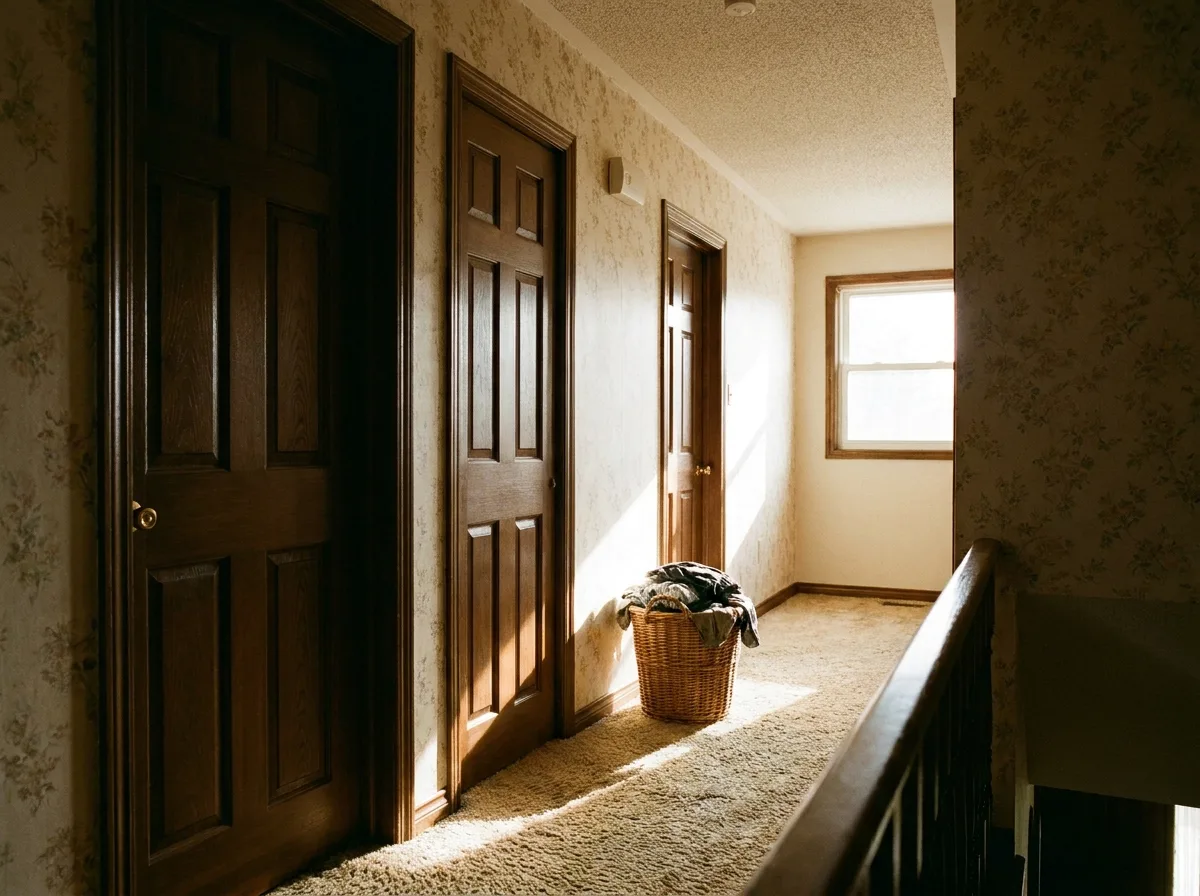
- Next to bedrooms: Ontario says the hallway nearest several bedrooms counts as adjacent to the sleeping area, so one alarm in that hallway can cover several bedrooms.
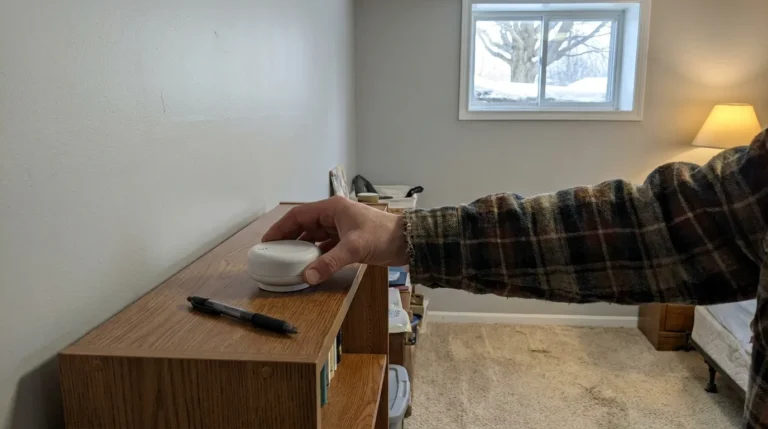
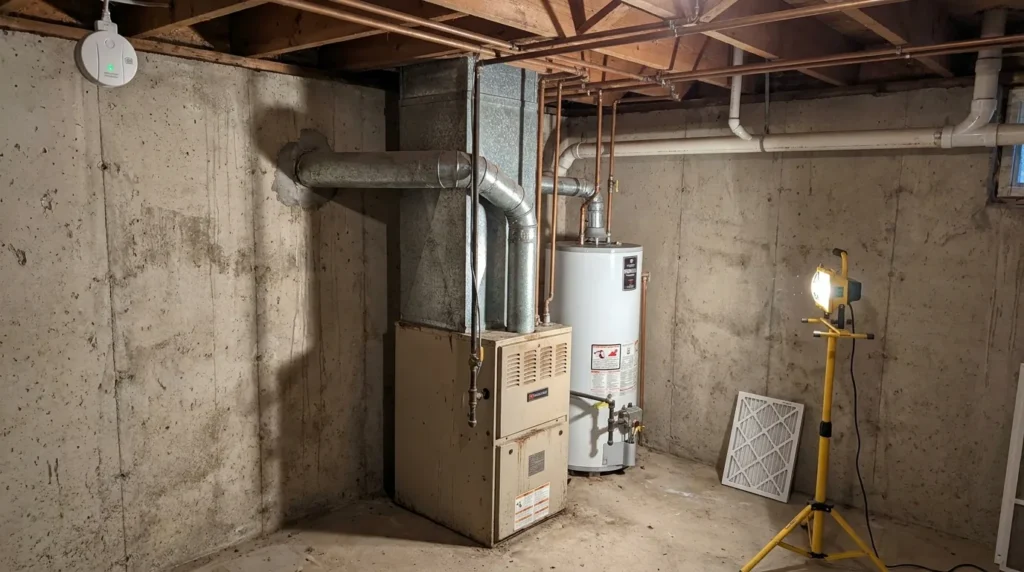
- On every storey: main floor, upper floor and a finished or unfinished basement each need one if the home is covered. A storey with no bedroom is no longer an exception.
- Follow the manufacturer: Toronto adds that the every-storey alarms are installed “according to manufacturer’s instructions”, so check the box for height and distance from appliances.
RénoClair tip
Do not stop at the hallway outside the bedrooms. Before 2026 that was often enough; now the main floor and the basement with the furnace each need their own alarm.
Worked example: how many alarms does your house need
Take a two-storey house with a finished basement. The gas furnace and hot water tank are in the basement, there is an attached garage, and all three bedrooms open onto one upstairs hallway. That makes 3 storeys.
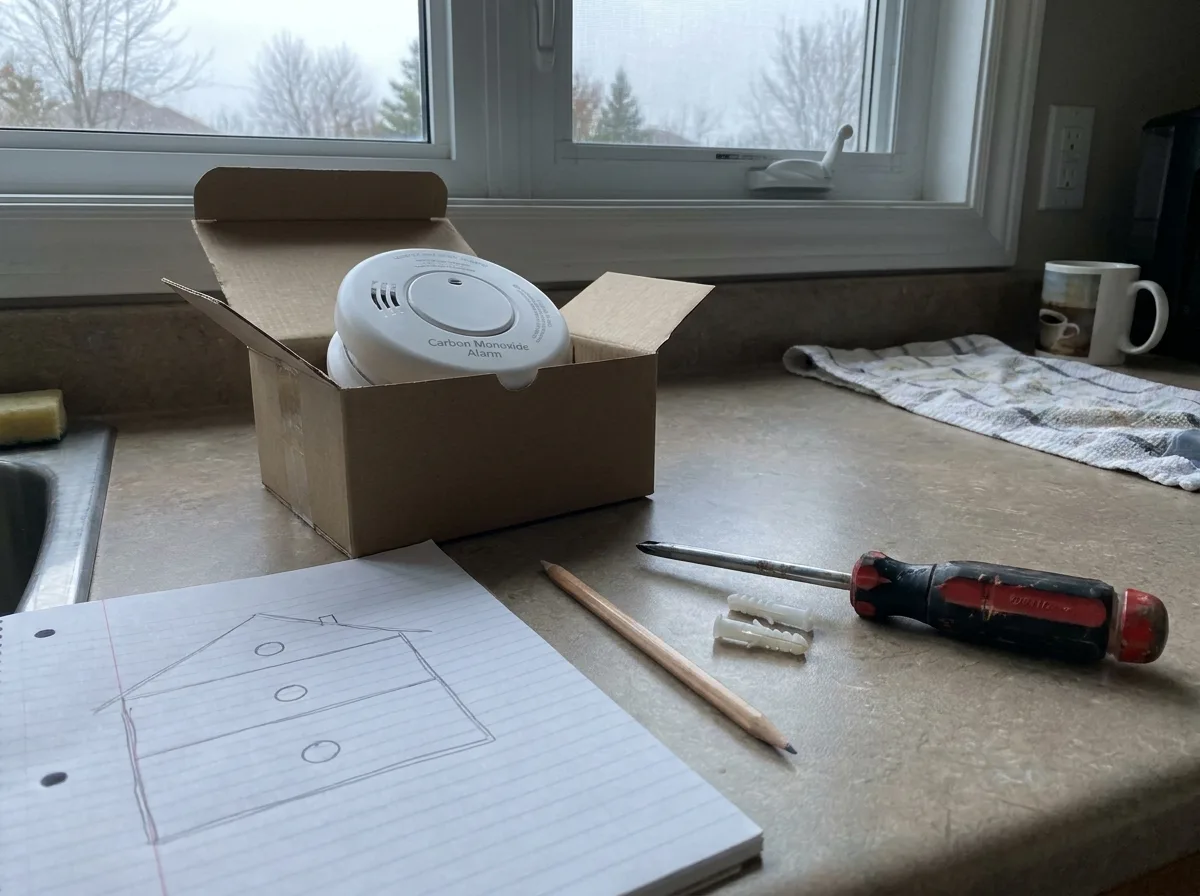
- Upstairs hallway: 1 alarm. It is adjacent to the sleeping area and also covers the upper storey.
- Main floor: 1 alarm, even though nobody sleeps there.
- Basement: 1 alarm, close to the stairs or the mechanical room as the manufacturer directs.
The minimum is therefore 3 alarms: 1 next to the bedrooms plus 2 more to cover the other storeys. If the bedrooms were split into two wings far apart, each wing would need its own alarm and the count would rise by one. A bungalow with one bedroom hallway and a basement would need 2.
Who is responsible: owner, landlord and tenant
Ontario puts the duty on the owner. The one-page Solicitor General information sheet (December 17, 2025) says the homeowner is responsible in an owner-occupied home and the landlord in a rental, and both must follow the manufacturer’s instructions. Municipal fire departments enforce the Fire Code, according to the Ontario fire safety legislation page.
| Who | What the official pages say |
|---|---|
| Homeowner | Installs and maintains the alarms; tests, replaces batteries and replaces the alarm as the manufacturer says |
| Landlord | Installs and maintains CO alarms in rental units; tests them annually, when the battery is replaced, when electrical circuit changes are made and on a change of tenancy; gives the tenant a copy of the maintenance instructions |
| Tenant | Tells the landlord about any problem with the alarm and does not disconnect, remove batteries or tamper with it; Toronto adds that the tenant must report an alarm found disconnected as soon as they are aware |
| Condo owner | Installs alarms adjacent to each sleeping area and on every storey of the unit where the unit has a fuel-burning appliance or fireplace, a service room or garage next to, above or below it, or air heated from an appliance outside the unit (City of Toronto summary) |
Ontario states plainly that “it is against the law for anyone to remove the batteries or tamper with carbon monoxide alarms in any way”. A tenant who takes out a battery to stop a nuisance chirp is breaking the rule; the right move is to tell the landlord.
Fines and enforcement
The Ontario pages we read do not list penalty amounts. The City of Toronto does: its carbon monoxide alarm page (modified January 5, 2026) says penalties under the Fire Protection and Prevention Act are “$50,000 and/or 1 year in jail for an individual” and “$500,000 for a corporation”. Those are maximums, quoted by one municipality; what a given fire department does in practice, such as a notice to comply first, is decided locally.
Types, testing and replacement
Ontario allows hardwired, battery-operated and plug-in alarms. Look for the mark of a recognized testing agency such as CSA, ULC or ETL. The page says you must keep the alarm in operating condition and “should” test it every month with the test button, replace batteries every year and replace the alarm according to the manufacturer’s instructions.
Neither Ontario nor Toronto gives a fixed lifespan in years. Check the label or the manual for the replacement date, and write the purchase date on the alarm with a marker. Learn the difference between the low-battery chirp, the end-of-life signal and the emergency alarm; the manual explains each.
Where carbon monoxide comes from and when to book an inspection
Carbon monoxide is produced when fuel burns incompletely. Ontario lists furnaces, gas or wood fireplaces, hot water heaters, stoves, barbecues, portable fuel-burning heaters, generators and vehicles as sources. The symptoms include headaches, nausea, dizziness, confusion and drowsiness, and exposure can lead to loss of consciousness and death.
- Annual inspection: Ontario advises a professional inspection of fuel-burning appliances, chimneys and vents every year before cold weather.
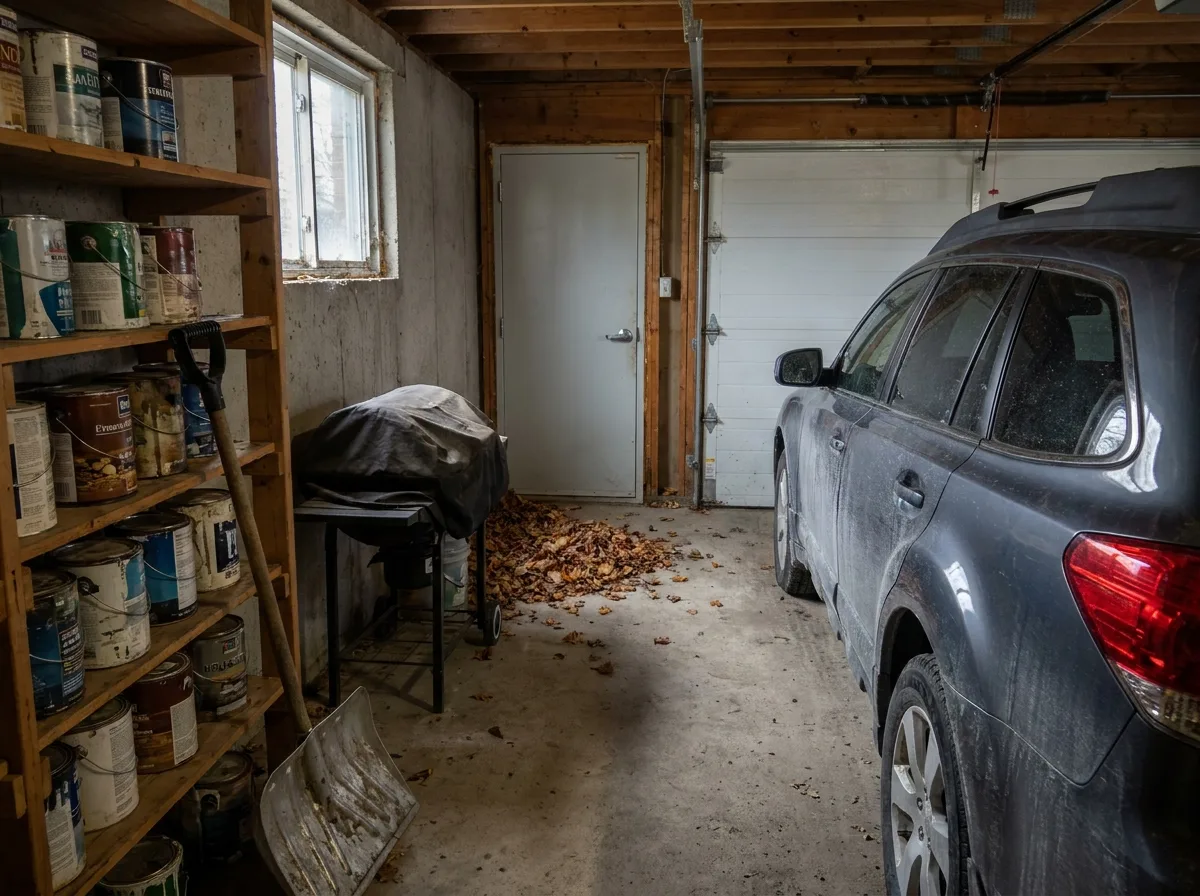
- Garage: never run a vehicle in a garage, even with the door open, and never use a barbecue inside a garage.
- Filters and airflow: a clean furnace filter keeps the furnace running as designed; see how often to change your furnace filter.
A cleaner way to remove combustion from the house is to switch heating to electricity. Our heat pump vs furnace comparison covers that choice; keep any CO alarm that the other triggers, such as a fireplace or attached garage, still require.
Common mistakes
- Installing one alarm in the bedroom hallway and none on the main floor or in the basement.
- Taking out the battery because of a chirp instead of replacing the battery or the alarm.
- Letting a landlord’s alarm lapse across a change of tenancy; the landlord must test it at that point.
- Skipping the yearly appliance inspection because the alarm is quiet.
Frequently asked questions
Do I need a carbon monoxide detector in Ontario?
Yes, if your home has a fuel-burning appliance, a fireplace, an attached garage, or is heated by air from a fuel-burning appliance outside the home. Ontario also covers apartments and condos.
Where must carbon monoxide alarms be installed in an Ontario house?
Adjacent to each sleeping area and, since January 1, 2026, on every storey, including storeys with no bedroom. The hallway nearest several bedrooms counts as adjacent.
Do I need a carbon monoxide alarm on every floor in Ontario?
Yes, in a covered home. The every-storey rule took effect on January 1, 2026 and includes storeys without sleeping areas, such as the basement and main floor.
Who is responsible for carbon monoxide alarms in an Ontario rental?
The landlord installs, maintains and tests them, including on a change of tenancy, and gives the tenant the maintenance instructions. The tenant must report problems and must not tamper with the alarm.
Can a tenant remove the batteries from a carbon monoxide alarm in Ontario?
No. Ontario says it is against the law for anyone to remove the batteries or tamper with carbon monoxide alarms. Tell the landlord if the alarm chirps or fails.
How often should I replace a carbon monoxide alarm in Ontario?
Follow the manufacturer’s instructions. Ontario gives no fixed number of years. Test monthly, replace batteries every year and check the label for the replacement date.
What is the fine for not having a carbon monoxide alarm in Ontario?
The City of Toronto reports maximum penalties under the Fire Protection and Prevention Act of $50,000 and/or 1 year in jail for an individual and $500,000 for a corporation.
What should I do if my carbon monoxide alarm goes off?
Get everyone out of the home immediately and call 9-1-1 or your local emergency number from outside the building.
Alarms are one part of winter safety. Our winter home maintenance checklist for Ontario also covers clearing the gas meter and exhaust vents after a storm, which is where blocked vents can lead to carbon monoxide.
A carbon monoxide alarm does not detect radon, another gas that builds up in closed winter homes. See our radon test guide for how to test your basement and what the numbers mean.
The bottom line
If your Ontario home burns fuel, has a fireplace or has an attached garage, you need a CO alarm next to the bedrooms and on every other storey, including the basement. In a rental, the landlord installs and tests them and the tenant keeps hands off. Count your storeys, test the alarms monthly, replace them on the manufacturer’s schedule and book your furnace inspection before the cold sets in.
Sources
- Government of Ontario: carbon monoxide safety (updated December 30, 2025; read November 7, 2026)
- Ontario Solicitor General: CO alarm requirements for homes (information sheet) (December 17, 2025)
- Government of Ontario: fire safety legislation and Ontario’s Fire Code (updated November 20, 2025)
- TSSA: changes to the Ontario Fire Code, new requirements for CO alarms (December 18, 2025)
- City of Toronto: carbon monoxide alarms (modified January 5, 2026)