

Official sources checked on November 26, 2026.
The Toronto Home Energy Loan Program (HELP) is a City of Toronto loan of up to $125,000 for energy upgrades such as heat pumps, insulation, windows and solar panels, repaid on your property tax bill over 5, 10, 15 or 20 years. In 2026 the fixed rates are 3.83% to 5.12% (valid until December 31, 2026), a 2% administrative charge is added, and the total loan value cannot exceed 10% of your property’s current value assessment. Applications are open, but the City’s separate HELP grants closed in January 2025.
To compare a HELP loan with a line of credit or a refinance using your own numbers, try our renovation financing calculator.
In this guide
Toronto Home Energy Loan Program at a glance
| Item | HELP in 2026 |
|---|---|
| Who runs it | City of Toronto |
| Maximum loan | $125,000, or 10% of the property’s current value assessment (CVA), whichever is less |
| Fixed rates | 5 years 3.83%, 10 years 4.43%, 15 years 4.85%, 20 years 5.12% (valid until December 31, 2026) |
| 20-year term | Only for projects that include solar PV, geothermal, new windows and/or heat pumps |
| Fees | 2% administrative charge added to the loan |
| Repayment | 11 pre-authorized instalments a year on the property tax account |
| Early payoff | Allowed at any time |
| If you sell | The loan stays with the property; the buyer takes over the balance |
| Upfront funds | Up to 30% after the Property Owner Agreement is approved, if requested |
| Status | Applications open (City page modified November 4, 2026); City HELP incentives fully subscribed since January 2025 |
Source: the City’s Home Energy Loan Program page (modified November 4, 2026). The rest of this guide explains what these numbers mean for your monthly budget.
Who qualifies for a HELP loan in Toronto
The short answer: most owners of low-rise homes in the City of Toronto qualify, as long as every owner on title agrees and the tax account is in good standing. According to the City, the property must meet all of these conditions:
- It is a detached house, semi-detached, row house, duplex, triplex or any low-rise residential building of up to three storeys and six units.
- It is in Toronto: the postal code must start with “M”.
- All property owners on title consent to the loan.
- There have been no more than three instances of a property tax or utility account being 60 days past due in the last three years.
- If there is a mortgage, the lender gives written consent. The City sends a lender consent form, and it cannot send a funding offer until that consent is received.
Early announcements described a pilot limited to certain neighbourhood postal codes and a 15-year maximum term. That is no longer the rule: the current City page covers any Toronto “M” postal code and offers terms of up to 20 years.
HELP interest rates in 2026, terms and the 2% charge
The rates are fixed for the whole term, and the City says they are valid until December 31, 2026. A loan signed in 2027 may carry different rates, so check the official page before you apply.
| Term | Fixed rate (2026) | Who can choose it |
|---|---|---|
| 5 years | 3.83% | All eligible projects |
| 10 years | 4.43% | All eligible projects |
| 15 years | 4.85% | All eligible projects |
| 20 years | 5.12% | Projects with solar PV, geothermal, new windows and/or heat pumps |
On top of the interest, the City adds an administrative charge of 2% “to reflect the City’s cost of administering the program.” On a $20,000 project, that is $400 added to what you repay.
Why the City’s payment chart understates what you will repay
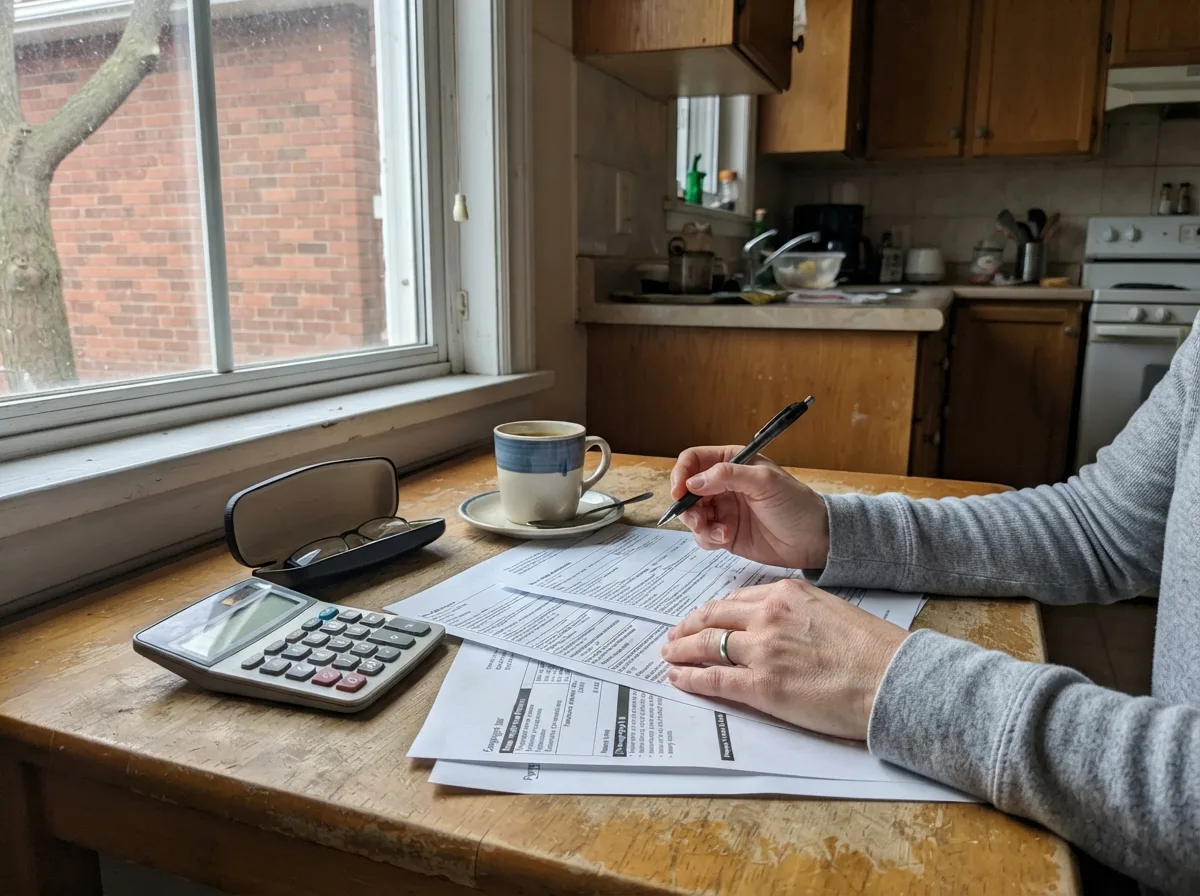
This is the most common surprise. The City publishes a chart of “estimated monthly payments” (11 payments per year). Every figure in it equals the loan amount divided by the number of instalments: $25,000 over 10 years shows $227, which is exactly $25,000 ÷ 110. In other words, the chart does not appear to include interest or the 2% charge.
| Amount funded | Term | City chart (per instalment) | RénoClair estimate with interest and 2% (per instalment) | Total cost above the amount funded |
|---|---|---|---|---|
| $25,000 | 10 years | $227 | $287 | $6,614 |
| $50,000 | 10 years | $455 | $575 | $13,229 |
| $50,000 | 20 years | $227 | $371 | $31,601 |
| $125,000 | 20 years | $568 | $927 | $79,003 |
Our estimate uses standard amortization at the 2026 fixed rate, 11 instalments a year, with the 2% charge added to the amount borrowed. The City’s exact method may differ slightly; your Property Owner Agreement will state the real schedule. The point is the order of magnitude: on $50,000 over 20 years, the realistic instalment is about $371, not $227.
How much can you borrow? The 10% cap explained
The ceiling is the lower of $125,000 and 10% of your property’s current value assessment (CVA), the value shown on your property assessment notice. The City’s wording matters here: “the loan’s value, which will include the funding amount, interest, and an administrative charge” cannot exceed that cap.
If interest over the full term counts toward the cap, as that wording suggests, a longer term leaves less room for the work itself. Example for a home assessed at $750,000 (cap $75,000):
| Term | Approximate maximum amount funded | Why |
|---|---|---|
| 5 years | About $66,800 | Little interest, so most of the cap goes to the work |
| 10 years | About $59,300 | More interest counted in the loan’s value |
| 20 years | About $45,900 | Interest takes a large share of the cap |
These are RénoClair estimates based on the City’s wording and the 2026 rates. The funding offer the City sends after your application states the exact maximum for your property, so treat this table as a planning tool, not a promise.
What the Toronto Home Energy Loan Program pays for
HELP finances energy and water upgrades. The City lists, as examples:
- Air-source heat pumps and geothermal systems
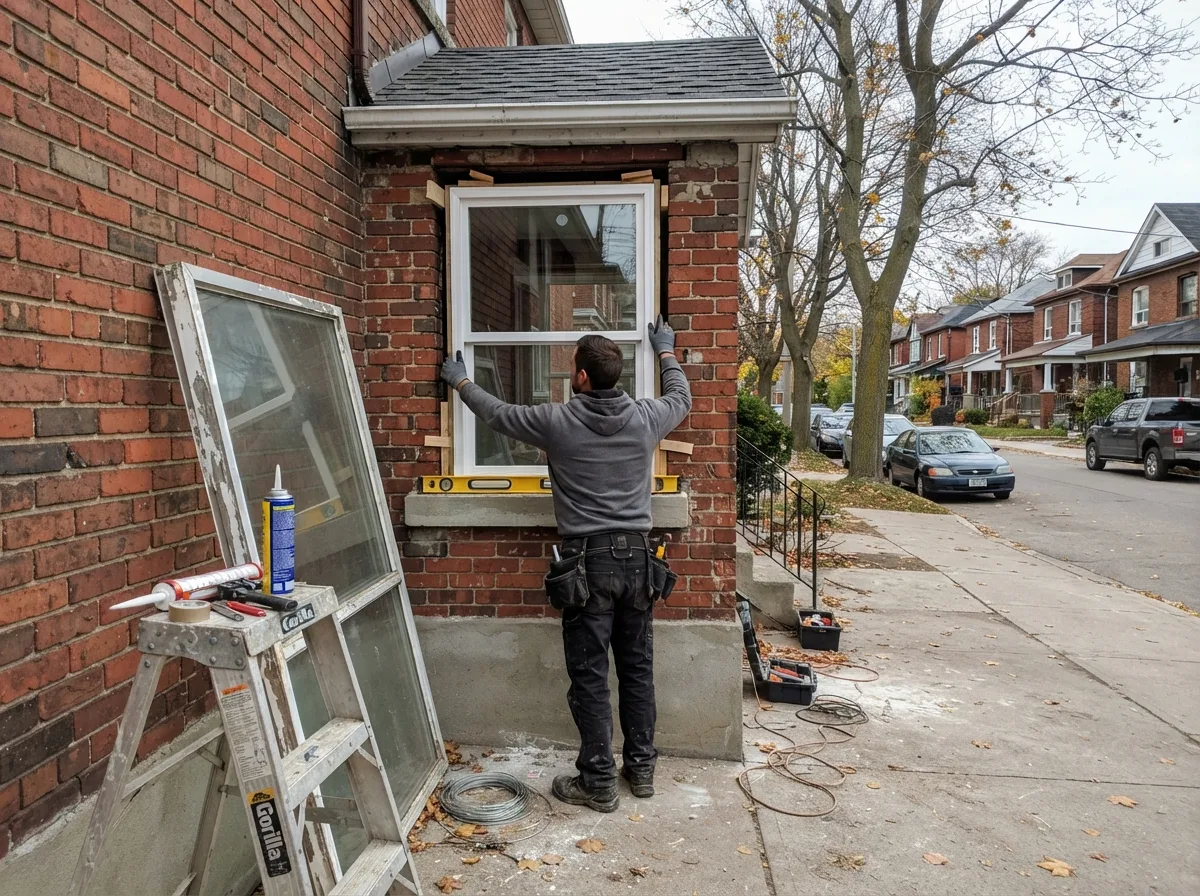
- Window and door replacements
- Basement, attic and exterior wall insulation, and air sealing (weather stripping, caulking)
- High-efficiency furnaces, boilers, air conditioners and water heaters, including tankless units
- Drain-water heat recovery, solar hot water and toilet replacements
- Rooftop solar PV panels and battery storage
- Level 2 electric vehicle charging stations
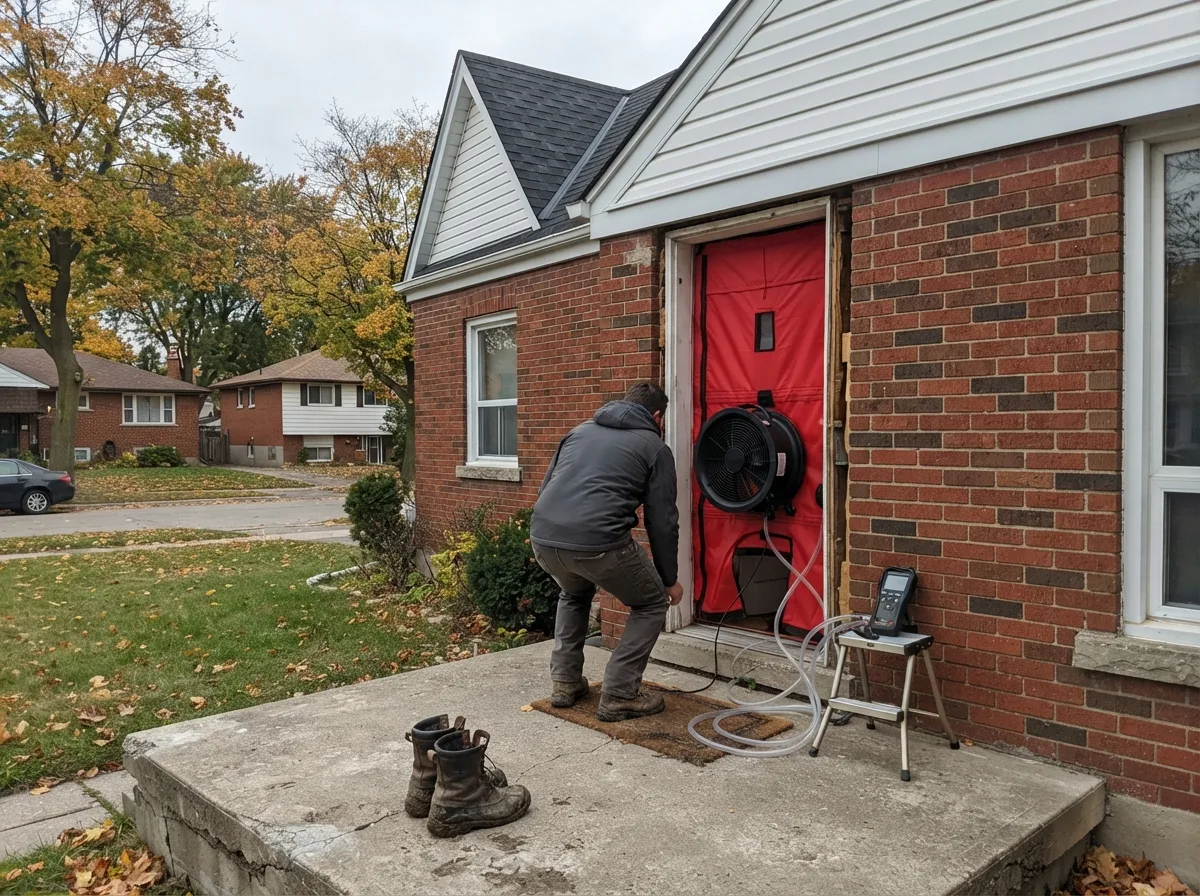
Two application paths. For most projects you need an EnerGuide home energy evaluation by a registered energy advisor before and after the work. Since the program was updated, heat pump-only and rooftop solar-only projects no longer need these evaluations: the funding request is then limited to the heat pumps (or panels) and installation, electrical upgrades if required, and building permits, and the installer signs an installation attestation form at the end. Our guide to the home energy audit in Ontario explains what an evaluation involves and costs.
You choose, hire and pay your own contractors and you are responsible for any permits. If a permit is needed in Toronto, see our guide to the building permit in Toronto.
Worked example: financing a heat pump with HELP
Scenario: a Toronto semi-detached house replaces an old air conditioner with a 3-ton central cold-climate heat pump on the existing ducts. We use the Ontario typical prices from our heat pump cost calculator (November 2026, before tax).
| Line | Amount |
|---|---|
| Central heat pump, 3 tons, existing ducts (Ontario typical) | $9,800 |
| Duct transition / extended lineset (Ontario typical) | $1,600 |
| Subtotal before tax | $11,400 |
| HST 13% | $1,482 |
| Amount funded by HELP | $12,882 |
| 2% administrative charge | $258 |
| Total borrowed before interest | $13,140 |
| Term | Per instalment (11 a year) | Per year | Total cost above the amount funded |
|---|---|---|---|
| 5 years | $263 | $2,892 | $1,579 |
| 10 years | $148 | $1,629 | $3,408 |
| 15 years | $112 | $1,235 | $5,639 |
| 20 years | $96 | $1,051 | $8,142 |
Reading the table: stretching from 10 to 20 years lowers each instalment by about $53, but the total cost above the amount funded rises from about $3,408 to about $8,142, roughly 2.4 times as much. Choose the longest term only if the lower payment really matters to your budget, and remember you can pay the balance off early at any time.
Rebates are not included above. Any rebate you receive lowers your net cost but does not change the HELP schedule unless you use it to pay down the balance. Redo this calculation with your own quote and rate in our renovation financing calculator.
HELP loan vs a home equity line of credit
For a $50,000 project over 10 years, HELP is cheaper than a typical line of credit at today’s rates, and the rate cannot rise. The line of credit figures below come from our financing calculator page (5.70%, prime + 1 point, November 2026, variable):
| $50,000 over 10 years | HELP (4.43% fixed + 2%) | Home equity line of credit (5.70% variable) |
|---|---|---|
| Payments | About $575 × 11 a year | About $548 × 12 a year |
| Per year | About $6,323 | $6,576 |
| Total cost above $50,000 | About $13,229 | About $15,712 |
| Rate risk | None (fixed) | Follows prime |
| If you sell | Buyer takes over the balance | Repaid when the home is sold |
| Approval | City + lender consent | Bank credit check and equity |
On these assumptions HELP costs about $2,483 less over 10 years. The gap shrinks if your bank offers a lower rate, and HELP only funds eligible energy work: a kitchen or a bathroom cannot be included.
How to apply for the Toronto Home Energy Loan Program, step by step
- Apply online. Complete the City’s application form. After review (and lender consent if you have a mortgage), the City sends a funding offer stating the maximum your property can receive.
- Evaluate and get quotes. Book an EnerGuide evaluation with a registered energy advisor (not needed for heat pump-only or solar-only projects), choose your upgrades and get contractor quotes, then submit a funding request.
- Sign the Property Owner Agreement. Once the City approves it, you can ask for up to 30% of the funds to get the project started.
- Do the work. Hire and pay your contractors and get permits. At the end, submit the Project Completion Report with invoices and, on the standard path, the post-renovation EnerGuide label; heat pump or solar installers sign an attestation form instead.
- Receive the balance and repay. The City pays the remaining funds; repayments on the tax account begin 60 days after the file is closed.
| Stage | City processing time |
|---|---|
| Application review | 5 to 7 business days |
| Property Owner Agreement | Up to 15 business days |
| Final disbursement and file closure | 10 business days |
| First repayment | 60 days after file closure |
Selling your home, your mortgage and other fine print
- The loan follows the house. The City says the loan is attached to the property, not to you: if you sell before it is repaid, the new owner assumes the balance. Expect a buyer to ask about it; you can also choose to pay it off at closing.
- Same priority as property tax. Instalments are collected with your property taxes and are subject to the same penalties, remedies and lien priorities.
- Lender consent is mandatory. Contact your mortgage lender early: the City cannot send a funding offer without it.
- Pre-authorized payments. You are enrolled in the City’s pre-authorized tax payment program, with 11 instalments a year.
- Prepayment. You may pay the outstanding balance at any time to clear the loan from your property.
Combining HELP with rebates
The City states that HELP can be combined with energy-efficiency rebates and incentives from the City, the Province of Ontario, the Government of Canada and utility companies. In practice, three layers matter in Toronto:
- Home Renovation Savings (Enbridge Gas and Save on Energy). Its official homepage lists headline maximums of up to $12,000 for heat pumps, up to $10,000 for solar and battery storage and up to $7,700 for insulation (November 2026); rules and deadlines differ by measure. See our Home Renovation Savings program guide.
- Federal National Heat Pump Rebate. The City notes that it launches in early 2027 and that eligible whole-house heat pumps installed on or after November 1, 2026 may qualify. Details are in our federal heat pump rebate guide.
- City HELP incentives: closed. The former City grants (for example for solar, heat pumps and deep retrofits) ran from July 7, 2022 to January 24, 2025 and the funding envelope is fully subscribed. Pages still advertising them are out of date.
RénoClair tip
Before you sign the Property Owner Agreement, ask the City for the full repayment schedule including interest and the 2% charge, and compare two terms side by side. The published chart alone makes long terms look cheaper than they are.
Before you sign: a HELP checklist
- Confirm the rate in force on the day you sign (2026 rates are valid until December 31, 2026).
- Check your CVA on your assessment notice and estimate the 10% cap, interest included.
- Call your mortgage lender about written consent before you apply.
- Get at least two written contractor quotes that list each eligible item separately.
- For heat pumps, ask the installer to confirm the electrical capacity and permit needs in writing.
- Do not start work before your funding is approved; the City’s steps assume approval comes first.
- Apply for rebates in parallel and keep every invoice and certificate for the completion report.
- If you may sell within a few years, decide now whether you will repay the balance at closing.
Frequently asked questions
What is the Toronto Home Energy Loan Program?
It is a City of Toronto loan of up to $125,000 for energy upgrades such as heat pumps, insulation, windows and solar panels, repaid on your property tax account over 5 to 20 years.
What is the HELP interest rate in 2026?
Fixed rates are 3.83% (5 years), 4.43% (10 years), 4.85% (15 years) and 5.12% (20 years), valid until December 31, 2026, plus a 2% administrative charge.
How much does a HELP loan cost per month?
About $575 per instalment for $50,000 over 10 years, with 11 instalments a year, once interest and the 2% charge are included; the City’s chart shows $455 because it leaves interest out. Estimate your own case with our renovation financing calculator.
How much can I borrow with a HELP loan?
Up to $125,000 or 10% of your property’s current value assessment, whichever is less, and the City counts interest and the administrative charge in that limit.
Do I need an energy audit for the Toronto Home Energy Loan Program?
Yes for most projects: an EnerGuide evaluation before and after the work. No for heat pump-only or rooftop solar-only projects, which use an installer attestation instead.
What happens to a HELP loan if I sell my house?
The loan is attached to the property, so the buyer assumes the remaining balance unless you pay it off; you can repay it at any time.
Can I combine HELP with Home Renovation Savings rebates?
Yes. The City says HELP can be combined with City, provincial, federal and utility rebates, so you can finance the full cost and receive rebates separately.
Does the City of Toronto still give HELP grants?
No. The City’s HELP incentives ran from July 2022 to January 24, 2025 and are fully subscribed; only the loan remains open.
The bottom line
The Toronto Home Energy Loan Program is a cheap, fixed-rate way to finance heat pumps, insulation, windows or solar without a bank loan, and it can stay with the house if you sell. Budget with real instalments that include interest and the 2% charge, keep the 10% cap in mind, get your lender’s consent early and sign before December 31, 2026 if you want this year’s rates. Our renovation financing calculator helps you compare HELP with other ways to borrow.
Sources
- City of Toronto, Home Energy Loan Program (HELP), page modified November 4, 2026, read November 26, 2026 (eligibility, rates, terms, steps, processing times, payment chart).
- City of Toronto, HELP incentives terms and conditions, page modified January 29, 2025, read November 26, 2026 (incentives fully subscribed).
- Enbridge Gas and Save on Energy, Home Renovation Savings program homepage, read November 26, 2026 (headline rebate maximums).
- RénoClair calculations: payment estimates (standard amortization, 11 instalments a year), cap estimates and worked example; heat pump and line of credit figures from RénoClair calculators, November 2026.


